
Anticipatory Grief (Pre-Grief)

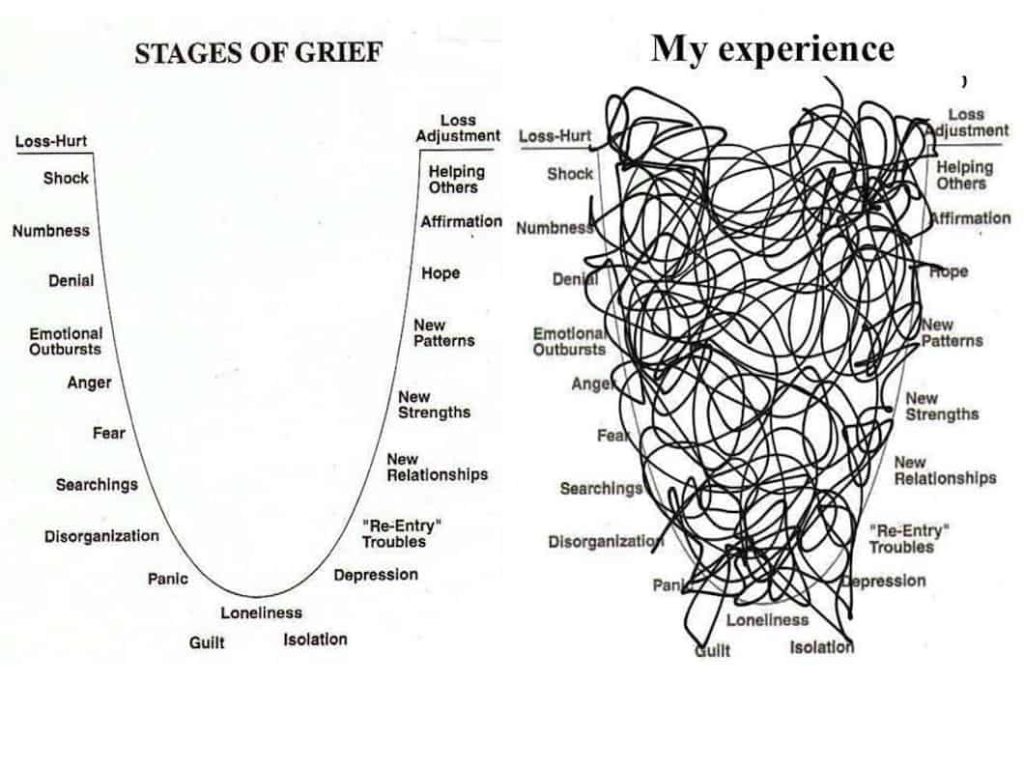
Most of us think of grief as something that begins after a loss. But sometimes the grieving starts well before the loss itself, in the stretch of time when you already know what is coming. A terminal diagnosis. A relationship that is clearly ending. A layoff you can see on the horizon. A move that will pull you away from a life you love. This is anticipatory grief, sometimes called pre-grief, and it has a particular kind of difficulty that grief after a loss does not.
The advance notice is a genuine gift in some ways. It gives you time to say what needs saying, to settle unfinished business, to prepare. People often look back and recognize that the warning softened the eventual blow. But that is hindsight. While you are living inside the waiting, it rarely feels like a gift. It feels like limbo, being grateful for the time you still have and worn down by the prolonged goodbye at the same time. You may catch yourself mentally rehearsing the loss while the person or the situation is still right in front of you, and then feel guilty for going there. All of that is anticipatory grief, and all of it is normal.
Why Pre-Grief Is So Disorienting
Ordinary grief, as hard as it is, has a clear before and after. The loss happens, and then you grieve it. Anticipatory grief collapses that order. You are grieving and living the thing you are grieving at the same time, present with someone or something while already braced for its absence. That dual awareness, one foot in the present and one already in the aftermath, is exhausting in a way that catches many people off guard. They expected grief to arrive on a schedule, after the loss, and instead it showed up early and settled in for an open-ended stay.
It also tends to come with a confusing mix of feelings that do not seem like they should coexist: relief alongside sorrow, gratitude alongside dread, even moments of impatience for the waiting to be over, followed immediately by shame for having felt that. None of these cancel each other out. They layer. Anticipatory grief deserves no less care and attention than grief that follows a loss, and often it needs more support, precisely because there is no clear point at which you are “allowed” to begin grieving.
When a Loved One Is Terminally Ill
This is the form of anticipatory grief most people recognize, and it raises questions that have no obvious answers. Because of that limbo quality, it is common to feel unsure of how to act or what to say. Some of the questions that come up:
- How do I talk to my terminally ill loved one?
- Is it okay to ask whether they are frightened of dying?
- Should I stay strong, or is it all right to let them see me cry?
- What if I am too scared to be around them?
- Should I let my younger children visit if their loved one looks very sick?
These are a handful of many, and every one of them is okay to ask. There is no script that fits every family, and the pressure to handle it perfectly can add a layer of strain on top of the grief itself. Often the most honest answer is the most workable one: presence usually matters more than the right words, and letting your loved one see that their leaving affects you can be a form of connection rather than a failure of composure. Talking it through with someone experienced in this kind of loss can be genuinely steadying, both for the comfort it gives you and for how it can help you stay connected to your loved one in the time that remains.
When You Know a Relationship Is Over
Anticipatory grief is not only about death. Many people have been in a romantic relationship where they knew, sometimes before it was said aloud, that one or both of them were done. Maybe the conflict had stopped resolving. Maybe a move for school or work made the ending close to inevitable. Whether you are the one ending it or the one being left, knowing in advance can leave you on edge until the change finally arrives.
When both people can see that things are not going well, communication that is not accusatory, shaming, or blaming can spare a great deal of additional pain. You can let the other person know you hear their perspective without agreeing with it, and if the relationship is genuinely over, refusing to fight over every detail tends to make the ending less damaging for both of you. Some of the practical questions worth thinking through, ideally before you are forced to answer them on the spot:
- How do we handle mutual friends?
- What happens with shared furniture, accounts, bills, the lease or mortgage?
- Who takes care of the pets?
- If we move in the same circles, how do we act when we see each other?
- Can we still be friends, and do we want to be?
These may seem far removed from grief, but that is exactly the point. When you know an ending is coming, you can become mindful in advance of how you would like these questions answered. That keeps you from having to improvise answers while your emotions are spinning, and it lets the practical decisions be decisions rather than fresh wounds.
When a Job Is Ending
Leaving work, whether you choose it, get laid off, or are let go, means losing something most people underestimate: the daily company of a group you have come to care about, and a piece of your identity that came with the role. Even an ending on good terms can be heartbreaking. And if you have grown to dislike the job itself but value the people, the feeling gets tangled, relief at getting out of the rut sitting right next to sadness at leaving people behind. On top of that, job loss carries its own practical stress: finances, changing routines, adjusting to new colleagues.
However it is happening, the advance notice is worth using to repair any hard feelings, with a manager or with coworkers, and to leave on a good or at least neutral note. Old grievances are largely moot once you are on your way out, which means you no longer have to fight those battles. Leaving cleanly gives you one less thing to carry into whatever comes next. Put simply: try not to burn bridges, and leave as relaxed as you can.
Caring for Yourself While You Wait
Because anticipatory grief has no clear starting line, people often deny themselves permission to feel it. They tell themselves they have no right to grieve something that has not happened yet, or that they should be holding it together for everyone else. Neither is true. Your grief is real now, in the waiting, and it deserves real support now, not only after the loss becomes official.
If you are living in that limbo, you do not have to do it alone, and you do not have to wait for the loss to “count” before reaching out. Counseling can help you hold the contradictory feelings without being overwhelmed by them, and can help you use the time you have in the way you most want to. Learn more about Grief Counseling.
Additional Reading
Anticipatory grief connects to several related experiences. These may be worth exploring:
- Understanding grief: the larger picture of how grief works, including loss that has already happened
- Overcoming rejection and failure: the grief of endings that are not deaths
- Divorce recovery: when the ending you are bracing for is a marriage
- Understanding depression: when the weight of anticipated loss settles into something heavier
- Understanding anxiety: the anticipatory dread that often rides alongside pre-grief
Want to talk it through?
If this resonates and you would like support, the easiest first step is a free 15-minute call. No paperwork, no pressure, just a short conversation about what is going on and whether my approach is a good fit.
Book a free 15-minute consult
Jonathan F. Anderson, LPC-S
Jonathan is a Licensed Professional Counselor and Board Approved Supervisor with over 25 years of experience. He provides individual, couples, and teen counseling at Gate Healing PLLC, virtually across Texas.