Signs Your Relationship Needs Counseling


Most couples don’t come to counseling when the first problem shows up. They come after months or years of the same arguments, the same distance, the same feeling that something is off but neither person knows how to fix it. By the time they walk through the door (or log onto a video call), they’ve usually been thinking about it for a while.
If you’re reading this, you’re probably in that thinking-about-it phase. Here’s what I’ve seen in 25 years of working with couples: the ones who come in earlier get better results. Not because their problems are smaller, but because they haven’t had as long to build up resentment and defensiveness. That said, it’s never too late if both people are willing to try.
These are the patterns I see most often in couples who end up benefiting from counseling.
You Keep Having the Same Argument
Not just about the same topic. The same argument, with the same escalation pattern, ending the same way. Maybe it’s about money, or parenting, or the division of household labor, or how much time you spend together. The surface topic almost doesn’t matter. What matters is that you both know exactly how it’s going to go before it starts, and neither of you can seem to break the cycle.
This happens because most recurring arguments aren’t really about the thing you’re arguing about. They’re about underlying needs that aren’t being met: feeling respected, feeling prioritized, feeling heard. Couples counseling helps you get underneath the surface argument to the actual issue, which is usually something both of you can work with once you can see it clearly.
You’ve Stopped Talking About Anything Real
You talk about logistics. Who’s picking up the kids. What’s for dinner. Whether the electric bill got paid. But the conversations about how you’re actually feeling, what you want, what’s bothering you, those have dried up. You’re functioning as roommates or co-managers of a household, not as partners.
This often happens gradually. One person brings something up, the other gets defensive or dismissive, and eventually the first person stops bringing things up. The silence feels like peace, but it’s actually distance. And distance, left alone, grows.
One or Both of You Has Checked Out
Emotional withdrawal is one of the most damaging patterns in a relationship, and it’s easy to miss because it’s quiet. There’s no yelling, no drama. Just less. Less eye contact, less affection, less interest in each other’s day. One person might be investing more energy in work, friendships, hobbies, or their phone than in the relationship. The other might feel it but not know how to name it.
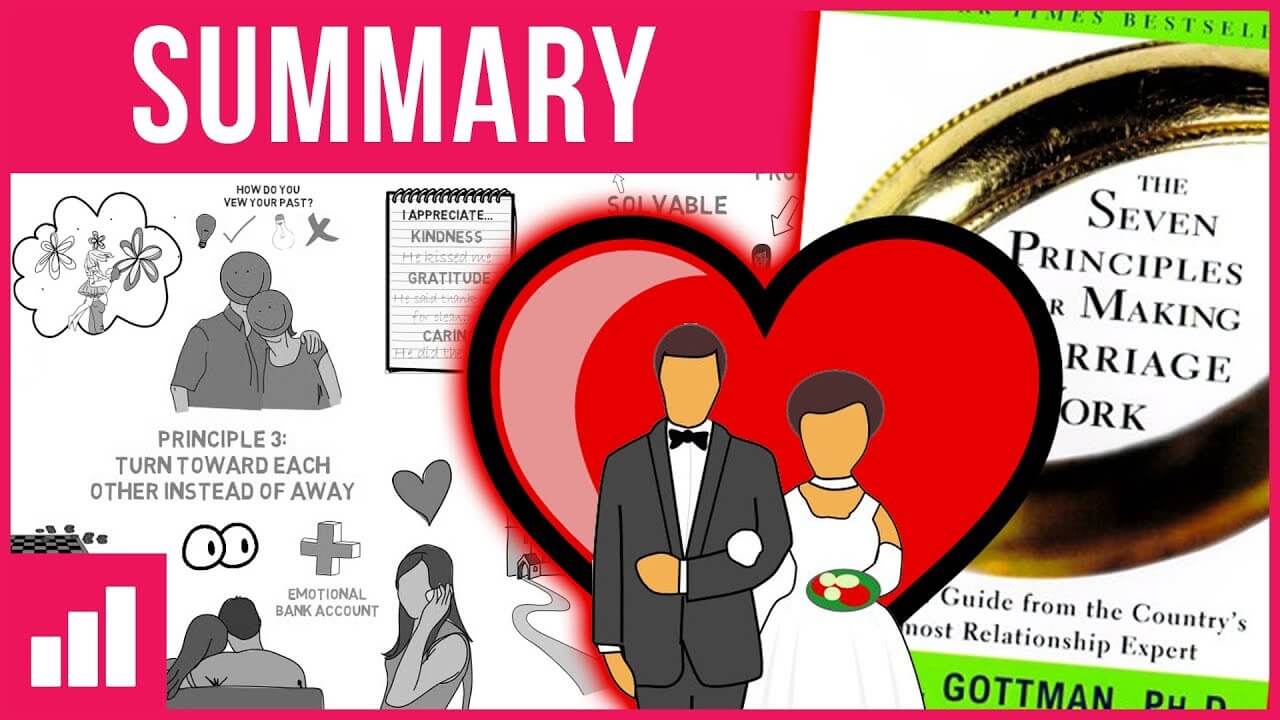
In the Gottman research, this kind of withdrawal is connected to what’s called stonewalling, one of the four communication patterns most predictive of relationship breakdown. It’s not always intentional. Sometimes the person withdrawing doesn’t realize they’re doing it. But the effect on the other partner is the same: loneliness inside the relationship.
Contempt Has Entered the Conversation
Criticism is “you never help around the house.” Contempt is “you’re so lazy, I don’t know why I bother.” The difference is that criticism attacks a behavior. Contempt attacks the person. Eye-rolling, sarcasm, mockery, name-calling. Once contempt becomes a regular part of how you communicate, the relationship is in serious trouble. Gottman’s research identifies contempt as the single strongest predictor of divorce.
Contempt doesn’t appear overnight. It builds from unresolved resentment over time. If you’re noticing it in your relationship, on either side, that’s one of the clearest signals that professional help would make a difference.
Trust Has Been Damaged
Infidelity is the most obvious trust breach, but it’s not the only one. Broken promises, financial dishonesty, emotional affairs, discovering your partner has been hiding something significant. Any of these can shatter the foundation of a relationship. Rebuilding trust is possible, but it’s slow, difficult work that almost always goes better with a trained third party in the room. Trying to do it alone tends to produce cycles of bringing it up, fighting about it, promising to move on, and then bringing it up again.
You’re Afraid to Bring Things Up
If you’re filtering everything you say because you’re worried about your partner’s reaction, that’s a sign the relationship dynamic has shifted into something unhealthy. Walking on eggshells isn’t peace. It’s anxiety. Whether you’re avoiding conflict because your partner gets angry, shuts down, or turns it back on you, the result is the same: you’re not being honest in your own relationship, and that erodes connection over time.
You’re Thinking About Whether to Stay
Some people come to couples counseling to save the relationship. Others come to figure out whether it should be saved. Both are legitimate reasons. A good therapist won’t push you toward staying or leaving. They’ll help you get clear on what you need, whether your partner can realistically provide it, and what the relationship would need to look like for it to work.
If you’re having the “should I stay or go” conversation in your head on a regular basis, that internal debate deserves a structured space where you can think it through honestly.
What If Your Partner Won’t Go?
This is one of the most common obstacles, and it doesn’t have to be a dead end. If your partner is resistant, that’s not unusual. Many people associate therapy with something being “wrong” or worry they’ll be blamed. Starting with individual counseling can still change the dynamic. When one person in a relationship changes how they communicate and respond, the other person often shifts in response, even without being in the room.
Getting Started
I’m trained in the Gottman Method, which is one of the most researched approaches to couples work. Sessions are virtual, which means you and your partner don’t have to coordinate driving to an office. You just need a private space and a screen.
If you’re not sure whether counseling is the right step, that’s fine. You can reach out and we’ll talk through your situation before you commit to anything.
Additional Reading
Relationship strain connects to several other areas. These may be worth exploring:
- Communication killers: the specific patterns that erode relationships over time
- Codependency: when caretaking patterns are part of what’s stuck
- How the Gottman Method strengthens relationships: the approach behind effective couples work
- Divorce recovery: if you’re already past the decision point
- Toxic people: when the relationship dynamic has crossed into harmful
Want to talk it through?
If this resonates and you would like support, the easiest first step is a free 15-minute call. No paperwork, no pressure, just a short conversation about what is going on and whether my approach is a good fit.
Book a free 15-minute consult
Jonathan F. Anderson, LPC-S
Jonathan is a Licensed Professional Counselor and Board Approved Supervisor with over 25 years of experience. He provides individual, couples, and teen counseling at Gate Healing PLLC, virtually across Texas.