
Teen Social Anxiety: What It Is and How to Help

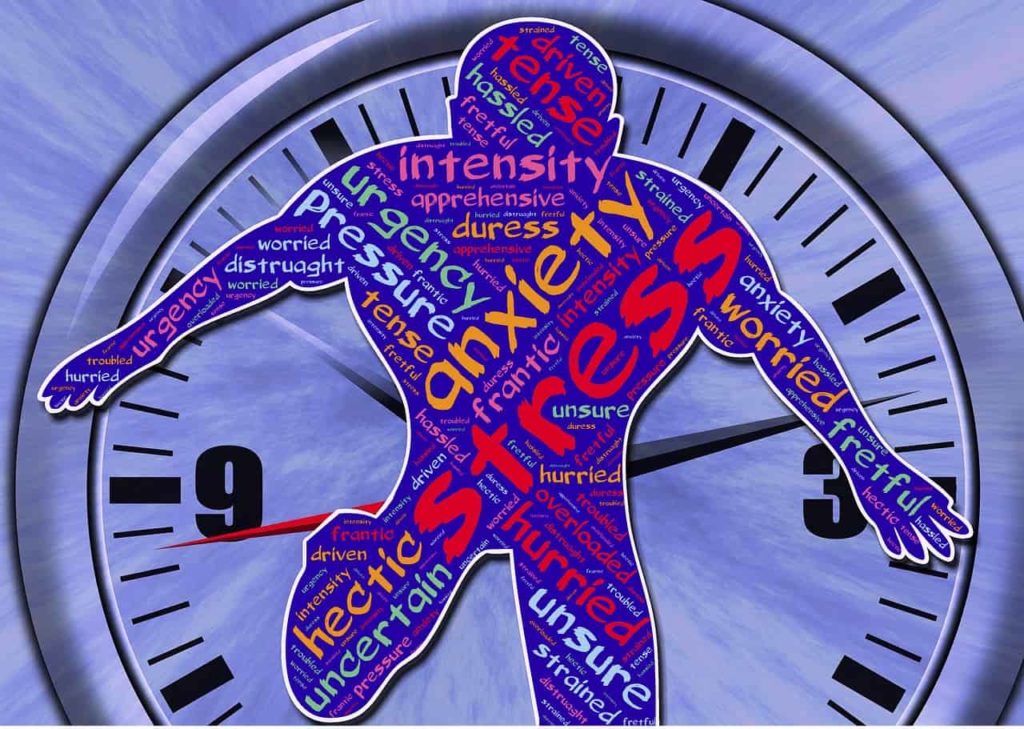
Your teenager says they are fine. They have also quietly stopped going to things. The party they used to look forward to, the club they signed up for, the friend’s house on Friday. In class they know the answer but will not raise their hand, and if a teacher calls on them their face goes hot and their mind goes blank. At home it can read as attitude, or moodiness, or a phase. A lot of the time it is none of those. It is social anxiety, and it is one of the most common things I see in teenagers.
The good news is that it responds well to help, and it responds faster the earlier you catch it. Here is what is actually going on, and what makes a difference.
What Social Anxiety Actually Is
Social anxiety is not the same as being shy or introverted. Plenty of quiet kids are perfectly content. Social anxiety is a fear of being judged, embarrassed, or found lacking, and it is strong enough to change what your teen is willing to do. The body joins in: a racing heart, a hot face, a churning stomach, sometimes a real stomachache before school. Because those symptoms are invisible from the outside, and because a scared teenager often goes quiet or prickly rather than tearful, it gets misread as being difficult or checked out.
It is also common, and it starts young. Social anxiety typically begins around age 13, right when school and friendships turn into a daily performance. So if this showed up in early high school, that is not a coincidence and it is not a character flaw. It is almost exactly the textbook age.
Why Waiting Usually Makes It Worse
The instinct, for teens and parents both, is to avoid whatever causes the fear. Skip the presentation. Eat lunch somewhere quiet. Say no to the invitation. And it works, for about an hour, because the anxiety drops the moment the threat is gone. That relief is exactly the problem. Every time your teen escapes a feared situation, their brain files it as proof that the situation really was dangerous, so the fear grows a little and the next one is harder. Avoidance feels like coping and functions like fertilizer.
That is why “they will grow out of it” so often does not happen on its own. Adolescence is the worst possible time to practice avoiding people, because this is exactly when kids are supposed to be building social skills through repetition. The world quietly shrinks. It is worth knowing that many adults with social anxiety struggled for years before anyone treated it, and a striking share wait a decade or more to get help. Catching this at fifteen is a very different situation than catching it at thirty.
What Actually Helps
The core of treatment is not talking your teen out of the fear. It is helping them move toward the situations they have been avoiding, in steps small enough to be survivable. You do not start with the big speech. You start with asking one question in class, or ordering their own food, or sending a text to a classmate. Each step that gets faced instead of dodged teaches the brain the opposite lesson: I did the thing, and I was okay. That is what actually rewires it.
A few things support that process. Learning to catch the catastrophic prediction, the “everyone will laugh” or “I will completely freeze,” and check it against what actually happens, which is almost never as bad as the forecast. Learning a couple of reliable ways to settle a revved-up body, so the physical alarm is not calling the shots. And practicing shifting attention outward, onto the other person and the conversation, instead of running a live commentary on their own performance. None of this asks your teen to become bubbly or the center of attention. The goal is a life that is not organized around dodging people, not a personality transplant.
For Parents: How to Help Without Making It Worse
This is the part most guides skip, and it matters, because loving parents often reinforce the anxiety by accident. The two common traps are opposites. One is accommodating: calling the teacher to get them out of the presentation, ordering for them at the restaurant, letting them skip anything hard. It comes from care, and it teaches the same lesson avoidance always does. The other is pushing too hard or shaming, which only adds a layer of “and now I am failing you” on top of the fear.
What works sits in between. Take the feeling seriously without treating the situation as genuinely dangerous, so the message is “I know this feels awful, and I know you can do hard things.” Do not answer for them, even when the silence is uncomfortable and you could rescue it in a second. Praise the effort rather than the outcome, so a shaky attempt still counts as a win. And keep your own nervous system calm, because teens borrow their read on a situation from the adults around them. You are not trying to fix it in a single conversation. You are trying not to feed it.
When to Get Help
If social anxiety is shrinking your teen’s world, dropping activities they used to enjoy, avoiding school, no friendships to speak of, physical symptoms before ordinary events, that is the signal to bring in support rather than wait it out. Social anxiety responds well to treatment, and it is genuinely easier to shift in a teenager than in an adult who has had twenty more years to practice the habit.
Teen counseling gives your teen a place to practice these skills with someone outside the family, which is often easier than doing it with a parent, and it gives you a clearer picture of what is happening underneath the quiet. If the anxiety has the whole household walking on eggshells, family counseling helps everyone pull in the same direction. Either way, the earlier you start, the less your teen has to unlearn.
Additional Reading
If social anxiety is part of a bigger picture for your teen, these go deeper:
- Understanding Anxiety: how avoidance quietly makes anxiety stronger over time.
- Preparing for College: managing the social and academic pressure of the transition.
- Stress and Relaxation: regulation skills teens can actually use in the moment.
- Understanding Self-Esteem: where confidence actually comes from, and where it does not.
Want to talk it through?
If this resonates and you would like support, the easiest first step is a free 15-minute call. No paperwork, no pressure, just a short conversation about what is going on and whether my approach is a good fit.
Book a free 15-minute consult
Jonathan F. Anderson, LPC-S
Jonathan is a Licensed Professional Counselor and Board Approved Supervisor with over 25 years of experience. He provides individual, couples, and teen counseling at Gate Healing PLLC, virtually across Texas.